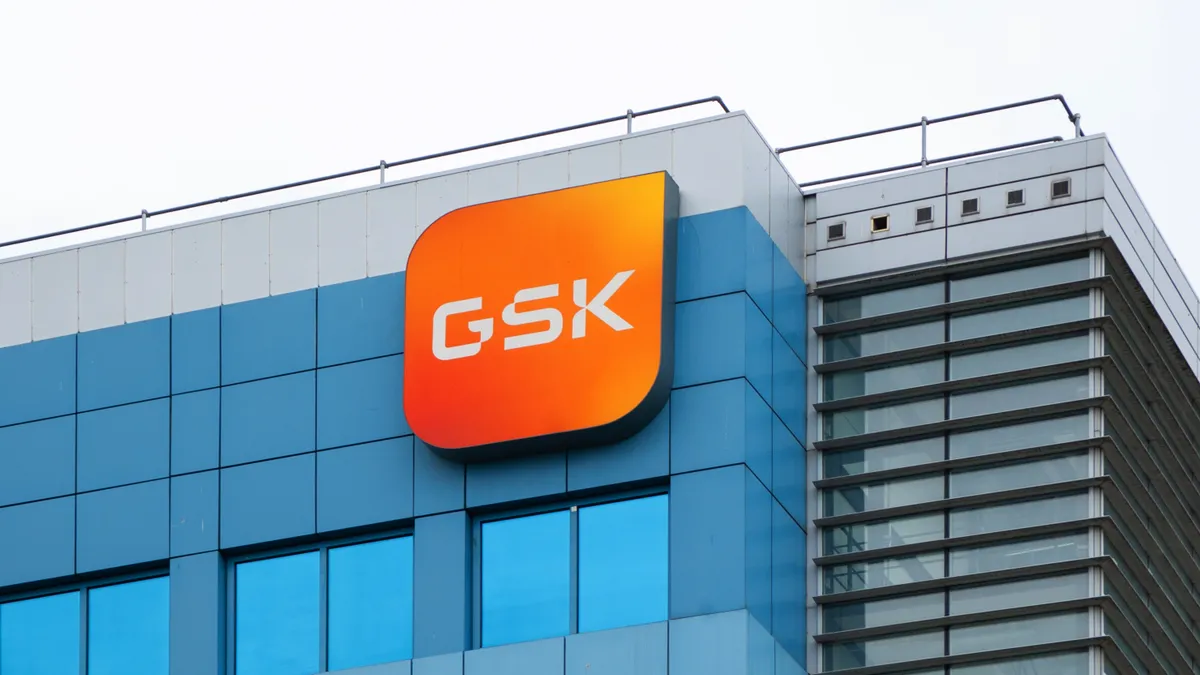
A collaboration between GSK and the California-based biotechnology company Alector has fizzled following major setbacks for the experimental brain drugs at the center of the deal.
The companies first linked up in July 2021. For $700 million up front, GSK snagged rights to two Alector medicines for neurodegenerative diseases. One, codenamed AL001 and later called latozinemab, had already advanced into a late-stage study, where researchers were evaluating it in patients who, because of select mutations, either had a kind of dementia or were at least at risk of developing it. The other medicine, known as AL101 or nivisnebart, was at the time in early-stage safety testing.
Alector could have received up to $1.5 billion more if its drugs hit certain development, regulatory and commercial milestones. However, both programs ultimately stumbled. Results released last October showed latozinemab didn’t significantly slow disease progression in that large study. And by late April, findings from a so-called interim futility analysis had convinced Alector to discontinue a Phase 2 trial of nivisnebart in patients with early Alzheimer’s disease.
According to a new securities filing, GSK notified Alector on July 6 that their partnership was over. The termination should be fully settled by Jan. 2.
Well before Alector’s drugs faltered, GSK had already hedged its bet by tweaking the original deal. In May 2023, the companies amended their agreement such that Alector become responsible for funding more of the shared development costs tied to nivisnebart. Accordingly, the initial transaction price decreased from $700 million to nearly $572 million, with the difference recorded as refund liability.
Alector had entered a similar, two-program deal with AbbVie in 2017. Yet those drugs also disappointed, leading AbbVie to pull back on the alliance in 2022, then exit it entirely in 2025. Over that timeframe, Alector turned to layoffs at least twice.
Alector shares have lost about 95% of their value over the past five years. They fell another 7% Thursday, to trade at $1.70 apiece.
For GSK, the Alector deal marked a major return to a research area that the U.K. pharmaceutical giant hadn’t meaningfully invested in for more than a decade. Later in 2021, GSK and the University of Oxford unveiled plans for a new center meant to both speed and improve the success rate of drug development, with an initial focus on brain diseases like Alzheimer’s, Parkinson’s and ALS. Since then, GSK has inked heavily-backloaded partnerships with a few biotech startups, hoping to find new therapies for various neuron-destroying illnesses.