Dive Brief:
- Johnson & Johnson is making its biggest investment yet in “in vivo” cell therapy, announcing late Wednesday a deal to work with, and potentially acquire, young biotechnology firm Sail Biomedicines at an agreed-upon price.
- J&J is paying $785 million up front initially, including a $465 million equity investment, to help advance Sail’s lead program as well as a technology the startup uses to reprogram immune cells inside the body. Dubbed SAIL-0839, that prospect is still in preclinical testing, and Sail hasn’t disclosed what diseases it will go after. Other therapeutic targets could be added to the deal over time, J&J said.
- J&J has also secured an exclusive option to acquire the startup for $2.58 billion in the future. Should it exercise that right, J&J would join an already large group of major drugmakers, among them Eli Lilly and Bristol Myers Squibb, to recently purchase an in vivo cell therapy developer.
Dive Insight:
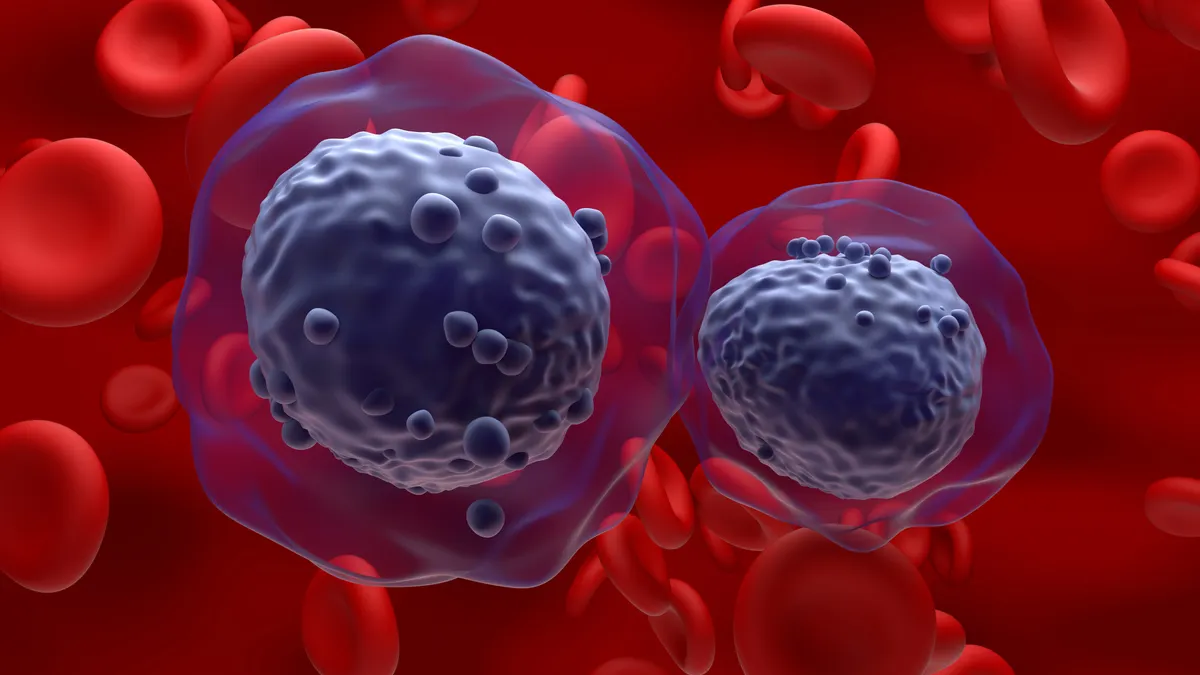
CAR-T therapies are now a well-known form of cancer care. Engineered from a patient’s own cells, they’re able to durably wipe out certain malignancies when they work.
So far, though, the available CAR-T treatments are “ex vivo” therapies, which involve manipulating cells in a lab in a costly and burdensome process. They’re also still largely limited to a handful of blood cancers and other tumors, and usually involve a chemotherapy conditioning step that can be a barrier to broader use.
A new wave of drugmakers have responded with technologies designed to make the process far more convenient by effectively coaxing the body into making its own specialized, disease-hunting cells. These in vivo techniques could make cell therapy more widely accessible and be helpful treating autoimmune conditions, where a more convenient and less invasive approach could be particularly useful.
Large pharmaceutical companies have taken note, snapping up at least a half dozen startups working on in vivo technology since early last year. Many, like Sail, are working on would-be immune disease treatments.
For J&J, the deal is a way to build on an already-established presence in cell therapy. The company co-developed the multiple myeloma treatment Carvykti with Legend Biotech. It’s dabbled in other cell therapy approaches in the past, too, including through a partnership with Kelonia Therapeutics before that company was acquired by Lilly.
“Sail’s innovative platform represents an exciting new approach that seeks to harness the power of CAR-T therapy in a simpler, more scalable way,” said John Reed, J&J’s head of R&D, in the Wednesday announcement.
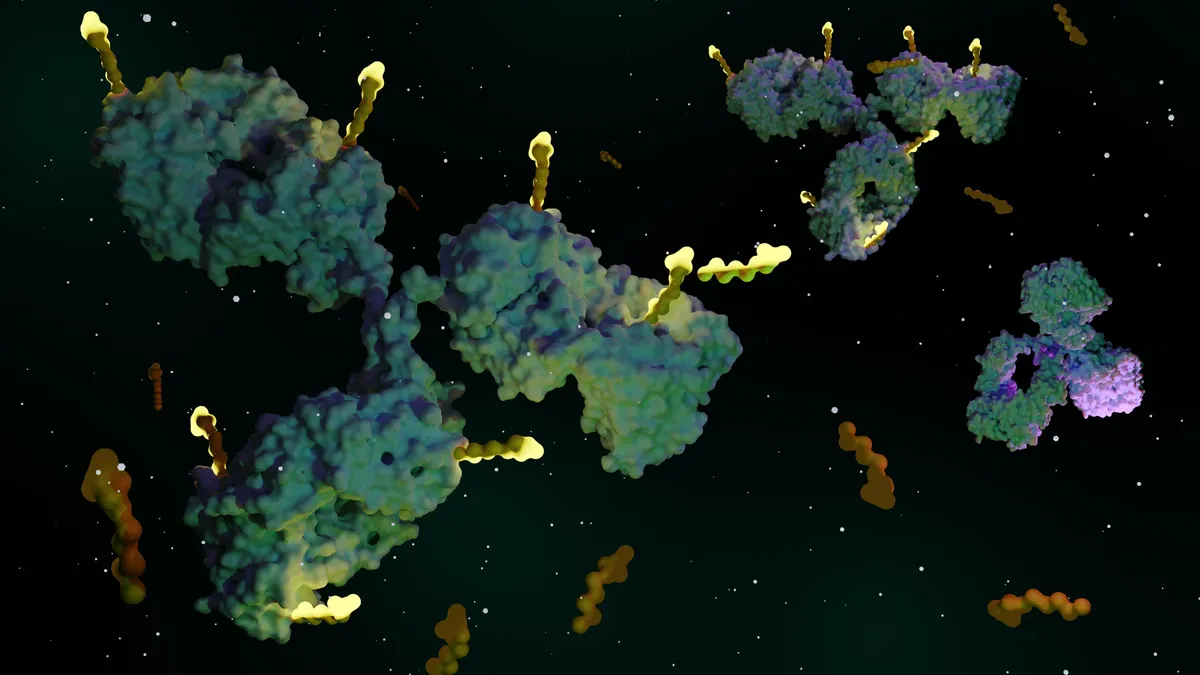
Sail was formed through a 2023 merger of Senda Biosciences and Laronde, two companies backed by biotech creator Flagship Pioneering. That deal married work on “endless RNA” with research into "programmable nanoparticles" able to get into a variety of cells and tissues. Sail used those technologies to develop a pipeline of in vivo cell therapies. Four are in preclinical development.
“Our new class of medicines offers an innovative therapeutic horizon for patients and providers — powerful, accessible, and scalable products,” said John Mendlein, Sail’s executive chairman, in a statement.
In a Wednesday note to clients, Leerink Partners analyst David Risinger referred to the deal as “an important step” for J&J’s immunology research and a “boost” to its pipeline.