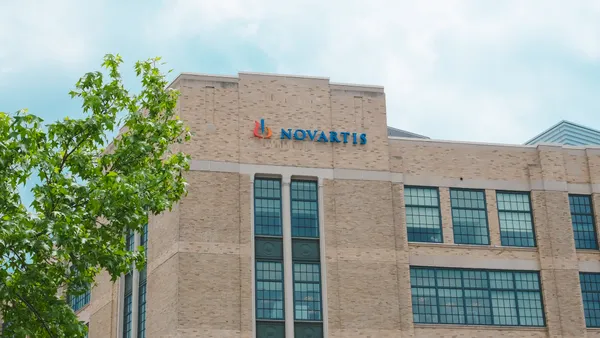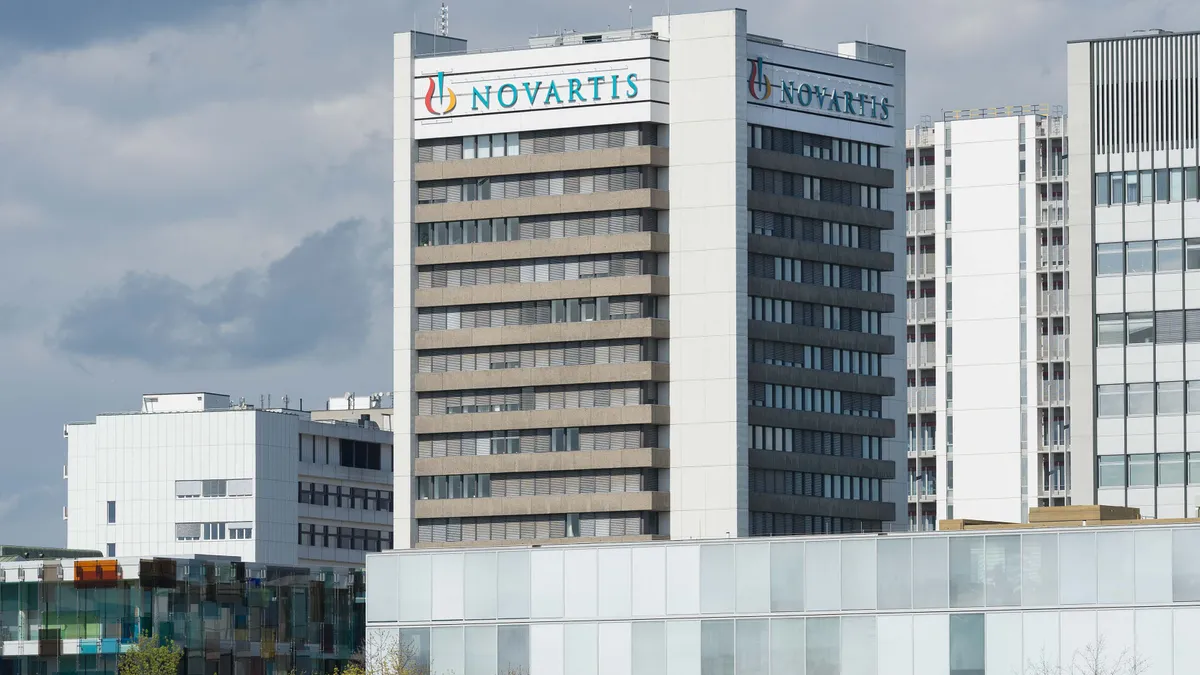
Novartis, aiming to bolster its oncology portfolio, will acquire the privately held Myricx Bio and gain its pipeline of “differentiated” antibody drug conjugates for up to $1.5 billion.
The Swiss pharmaceutical giant said Monday it will pay $1.1 billion up front and potentially as much as $400 million in milestone payments to the U.K.-based biotech, with the transaction expected to close before the end of the year. The deal hands over Myricx’s two leading ADC assets designed to deliver cancer-killing treatments directly to tumor cells and address limitations of current ADCs.
“This proposed acquisition reflects our strategy to scale innovative platforms, as we have with radioligand therapies, to deliver more durable, transformative treatments for patients,” said Fiona Marshall, president of biomedical research at Novartis, in a statement.
ADCs have exploded in popularity in recent years for their ability to replace certain standard cancer treatments. The drugs are a form of precision chemotherapy that targets malignant cells directly while sparing surrounding healthy cells, with several approved to treat a range of tumors. AstraZeneca and Daiichi Sankyo’s Enhertu has become a top seller, and several pharmas such as Eli Lilly, AbbVie and Merck & Co. have inked deals aimed at bringing differentiated ADCs to market or to expand their use.
Novartis, meanwhile, had not joined its peers in the ADC gold rush.
The company, which markets lucrative radiopharmaceuticals like Lutathera and Pluvicto, has bet billions on multiple experimental cancer drugs in the past couple of years. The latest deal with Myricx marks its entry into the world of differentiated ADCs for cancer.
Myricx brings two lead candidates targeting tumors that are positive for HER2- and B7-H3 — proteins commonly found in breast and lung cancers. The biotech’s platform is built around a next-generation inhibitor of the enzyme N-myristoyltransferase, or NMTi, which plays a key role in cancer cell growth, as well as the drug resistance that has become an increasing challenge for ADCs. Blocking the enzyme’s activity should disrupt the development of cancer cells.
Myricx, with support of Cancer Research UK, was spun out of Imperial College London and the Francis Crick Institute. The company received seed investment from Brandon Capital and Sofinnova Partners in 2019, with investors such as Lilly and Novo Holdings backing later financing rounds.