Dive Brief:
- Drug developers making new medicines to treat autoimmune conditions and cancer made up more than 40% of the venture funding rounds in the first half of 2026, BioPharma Dive data show.
- Of the more than $9 billion that poured into venture-backed biotechnology companies from 26 highly active investors tracked by BioPharma Dive, a little more than $3.9 billion went toward immune and cancer drugmakers. About $2.1 billion of that figure alone was dedicated to that former bucket, in which many startups are working on experimental therapies for conditions such as lupus, atopic dermatitis and inflammatory bowel disease. A handful are developing drugs in these two fields simultaneously (and have been included in the funding totals for each).
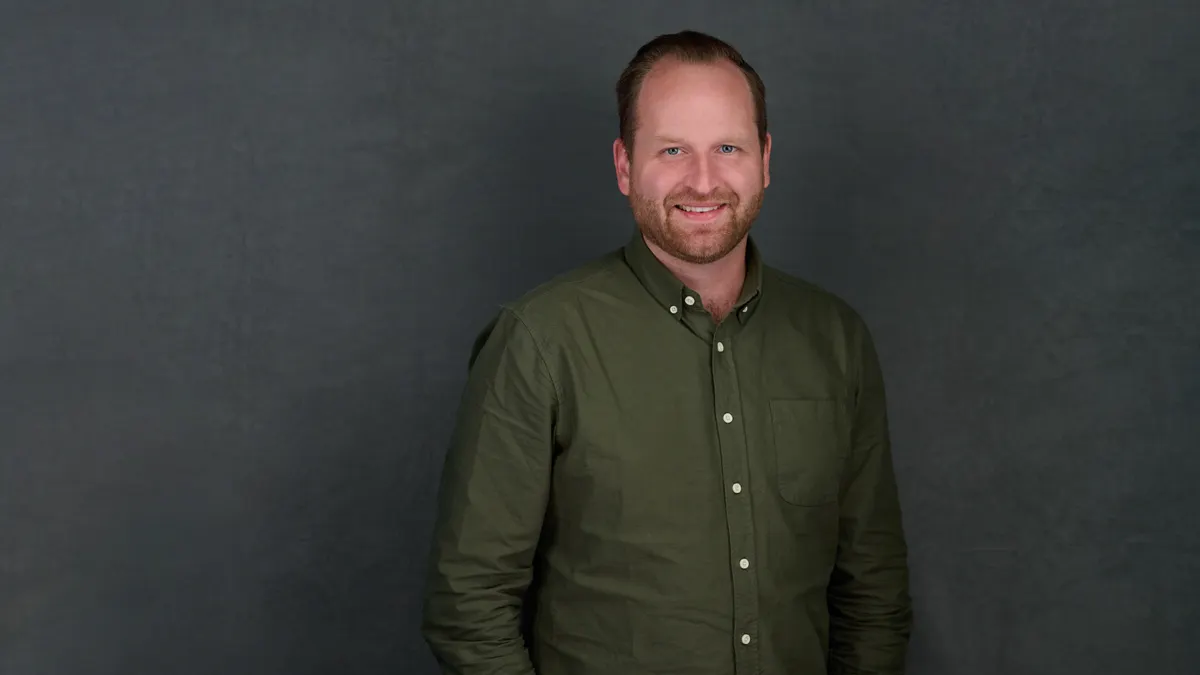
- While exits might be concentrated in other research areas like obesity and cardiometabolic disorders, venture funding is likely to continue pouring into cancer and immunology because of a lack of "a time-sensitive element," said Ben Zercher, a senior analyst at PitchBook.
Dive Insight:
Cancer and immune disease-focused biotechs have been in focus since 2023 and 2024, respectively, though funding for startups making drugs for neurological conditions spiked last year.
So far in 2026, the largest venture rounds have gone toward buzzy approaches to finding new medicines — $2.1 billion for the AI drug discovery company Isomorphic Labs, and $435 million for longevity startup NewLimit. Those hauls have been predominantly funded by traditional tech investors like Google, Kleiner Perkins and Thrive Capital.
Just behind them are Parabilis Medicine's $305 million Series F round to develop its oncology portfolio, and Beeline Medicines’ two funding announcements that brought in more than $426 million to bankroll its work developing both small molecules and biologics for immune conditions.
Some high-profile biotech fundraising rounds have also gone to startups built around assets acquired from Chinese pharmaceutical firms, particularly with bispecific antibodies and antibody-drug conjugates. Jim Healy, managing partner at Sofinnova Investments, called those approaches “innovative.”
“It's not that they're not excellent elsewhere, but I think the opportunities there are meaningful,” Healy said.
Pharma is also demonstrating interest in privately held immune drugmakers, paying billions for companies like Ouro Medicines, RayThera and Candid Therapeutics. “If your T-cell engager can go between oncology and immunology, that looks really attractive to big pharma right now,” Zercher, of Pitchbook, said. “I could see M&A activity coming just from a pipeline optionality standpoint as we approach the patent cliff.”
Likewise, their public market counterparts have also drawn a lion’s share of funding. Six of the 13 venture-backed biotech companies to price an initial public offering in 2026 are testing drugs for cancer or immune conditions, including the year’s biggest IPO to date, Parabilis, which banked $670 million in its June debut.