Scribe Therapeutics, a biotechnology startup developing genetic medicines for cardiometabolic disorders, has revealed plans to chase an initial public offering.
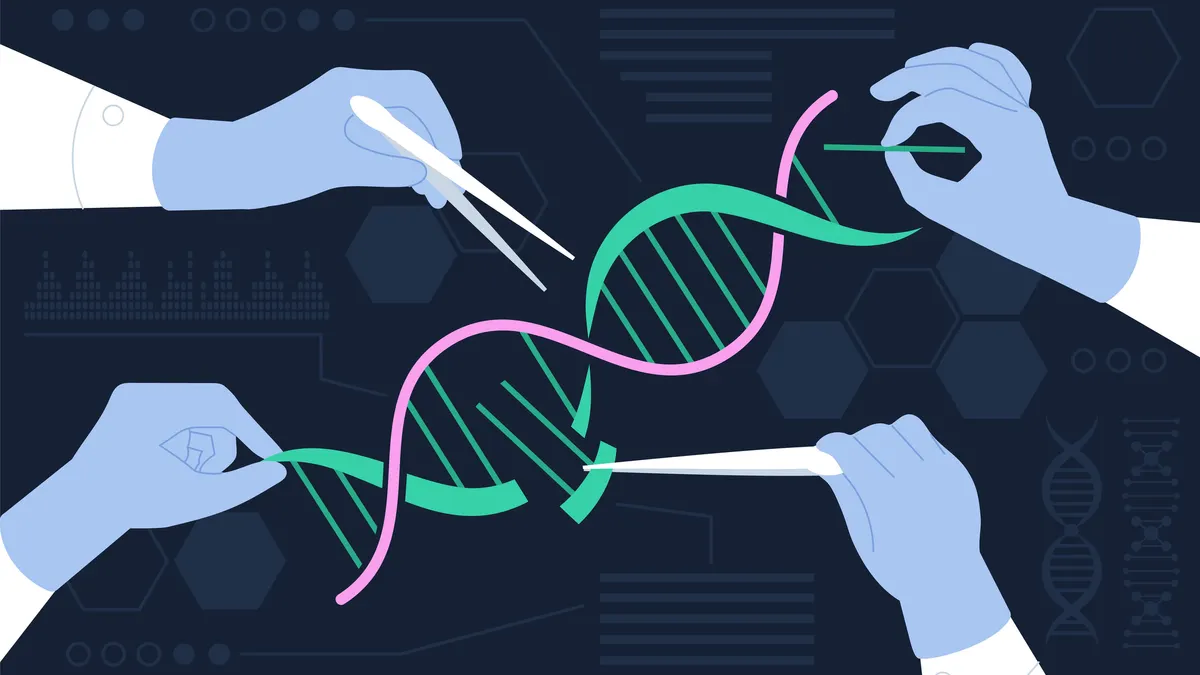
In a filing with the Securities and Exchange Commission late last week, Scribe noted its plans to go public on the Nasdaq stock exchange under the ticker symbol “SCTX.” Scribe CEO Benjamin Oakes, a former researcher under Nobel laureate and company co-founder Jennifer Doudna, previously described CRISPR gene editing as a “more elegant” approach to genetic medicines.
“Large pharma is recognizing that this has the potential to be the future of medicine,” Oakes told BioPharma Dive in a 2023 interview.
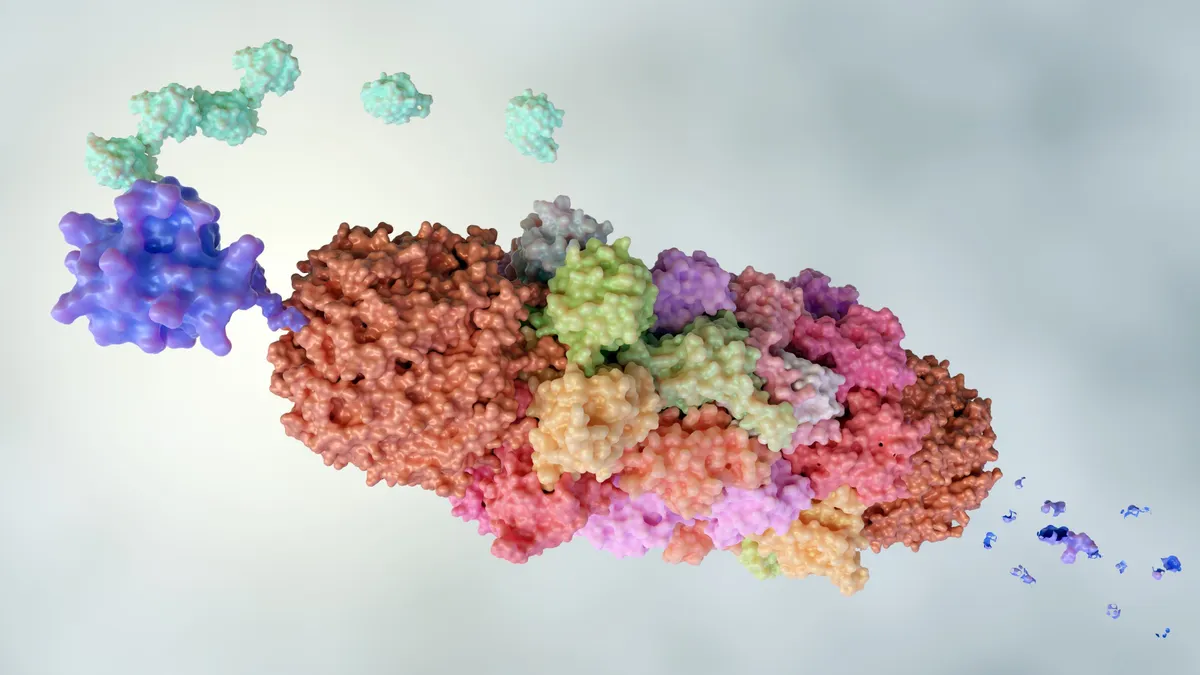
Scribe’s lead candidate, a treatment for high cholesterol dubbed “STX-1150,” entered the clinic last month. The company’s hypothesis is that its epigenetic silencing technology, which offers a way to switch off certain genes without permanently altering DNA, could be more effective than existing hypercholesterolemia medicines such as statins and PCSK9 inhibitors.
STX-1150 similarly goes after PCSK9, a protein that regulates the levels of low-density lipoprotein — or LDL — cholesterol. But it’s administered as a single dose, rather than as daily pills or as quarterly injections like the drugs Repatha and Praluent.
Scribe’s venture backers include Andreessen Horowitz, Avoro Ventures and OrbiMed, among others. To date, the California biotech has banked $120 million. It also announced last month it receive more than $25 million in grant funding from the California Institute for Regenerative Medicine, to advance a treatment for atherosclerotic cardiovascular disease and a second drug for acute pancreatitis in triglyceride-driven diseases.
Since its launch, Scribe has paired up with Biogen, Sanofi and Eli Lilly’s subsidiary Prevail Medicines to find new gene editing treatments. The Biogen collaboration to find a treatment for amyotrophic lateral sclerosis, or ALS, was announced not long after Scribe launched in 2020, and has been expanded since to a second, unnamed gene therapy target.
Its second research and development deal, with Sanofi, handed Scribe $25 million up front to gain access to its gene editing platform to find new cancer treatments based on so-called natural killer cells. Sanofi expanded its partnership further in 2023, paying an additional $40 million initially in hopes of developing in vivo gene therapies.
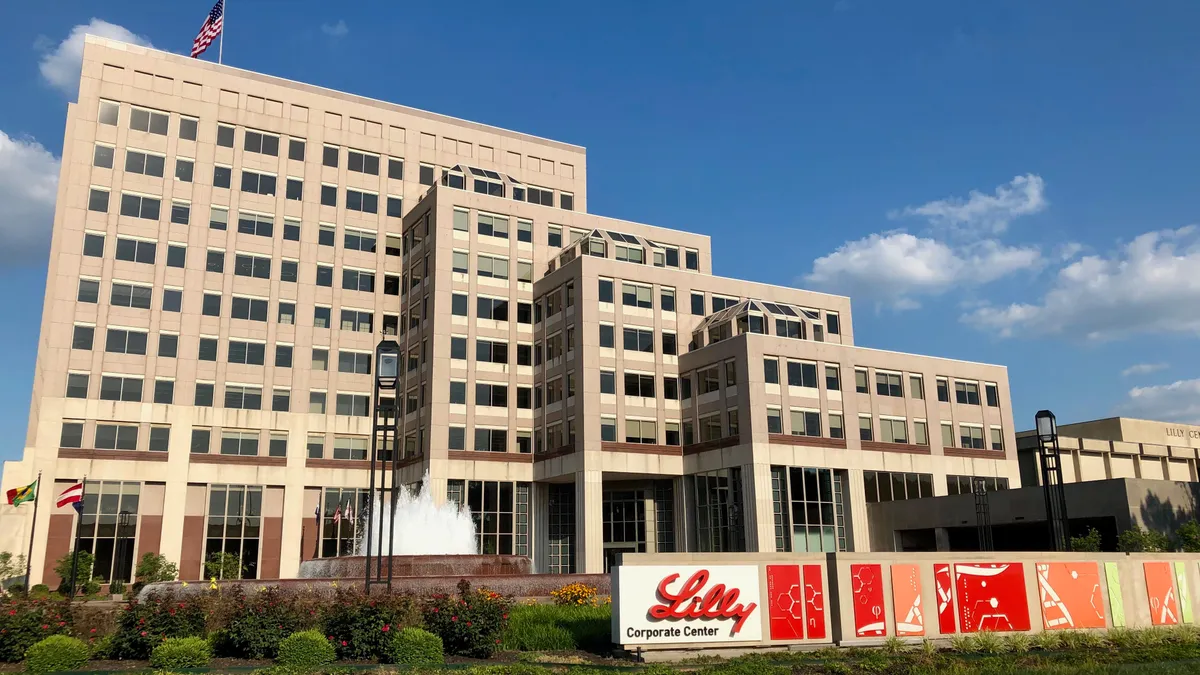
The partnership with Lilly, designed to find potential gene editing treatments for neurological conditions, has so far hit two milestone achievements, making Scribe eligible for two unspecified payments in an agreement worth up to $1.5 billion.
If successful, Scribe would be the 14th venture-backed biotech company to price an IPO in 2026, a year that has already begotten two of the largest offerings ever. It would follow fellow cardiometabolic drugmaker Kardigan, which in June raised $400 million.
Still, cell and gene therapy companies have had a rough go with IPO listings since the biotech sector's peak in 2021. The last time a gene editing company priced an offering was in 2024, when fellow San Francisco Bay Area biotech Metagenomi raised nearly $94 million in its IPO.