Today, a brief rundown of news involving Revolution Medicines and Intellia Therapeutics, as well as updates from Arrowhead Pharmaceuticals, AstraZeneca and Vedanta Biosciences that you may have missed.
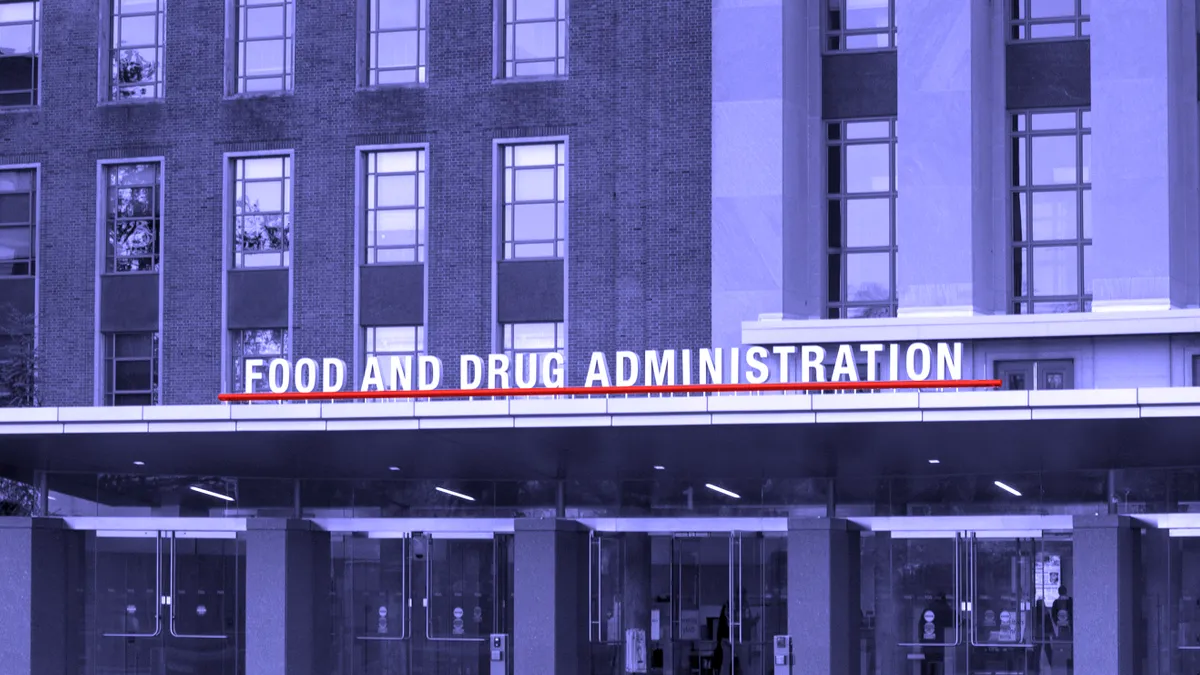
More than 2,000 people have been prescribed Revolution Medicines’ pancreatic cancer drug daraxonrasib since the company began offering it under “compassionate use,” a framework that enables patients with serious conditions to access experimental medicines outside of clinical trials. Daraxonrasib is widely expected by Wall Street analysts to become a multibllion-dollar seller, and is currently being evaluated under a Food and Drug Administration program designed to drastically speed up reviews. Ahead of a decision, the FDA signed off on a compassionate use plan and, in an earnings report Wednesday, Revolution said that the drug has since been shipped to cancer centers and practices across nearly every state. The announcement suggests there’s “significant demand” for daraxonrasib and is particularly “impressive given no formal marketing,” wrote RBC Capital Markets analyst Leonid Timashev. His team now sees daraxonrasib banking up to $1.1 billion in sales by the end of 2027. — Ben Fidler
Intellia Therapeutics believes it may have figured out why some people who’ve received one of its experimental gene editing treatments might be at a higher risk of liver damage. Intellia’s “nex-z” was placed on hold last year when a treatment recipient with transthyretin amyloidosis cardiomyopathy saw a spike in liver enzyme and bilirubin levels and later died. Testing has since resumed, and on Thursday, Intellia said that an analysis of nearly 600 patient samples revealed that carriers of a particular genetic signature — the “HLA C*05:01 allele” — had the highest liver enzyme elevations. The findings should turn the ongoing safety debate surrounding nex-z into a “mechanistically explained, actionable/screenable issue,” wrote Jefferies analyst Maury Raycroft. — Ben Fidler
Arrowhead Pharmaceuticals has acquired a voucher that could accelerate a drug review important to the company’s future. Arrowhead didn’t disclose how much it’s paying for the “priority review” voucher or the identity of the seller in a Tuesday announcement. But the company intends to use it to hasten the coming evaluation of its drug plozasiran in people with severe hypertriglyceridemia, or sHTG, a disease for which U.S. regulators recently approved a rival therapy from Ionis Pharmaceuticals. Arrowhead and Ionis are already battling for market share in a rarer condition called familial chylomicronemia syndrome, where plozasiran is sold as Redemplo. Arrowhead should complete a new submission in sHTG by the end of the year. — Delilah Alvarado
CSPC Pharmaceutical and AstraZeneca have deepened their already extensive relationship, announcing Wednesday plans to jointly build and manage a “new-generation biologics” manufacturing facility in Shijiazhuang, China. CSPC will cover 51% of the costs, while AstraZeneca will contribute the rest. The plant will initially produce biologic drug substances agreed to by both parties, but new products could be manufactured there in the future as demand grows. AstraZeneca has struck multiple deals with CSPC over the last couple years, including a wide-ranging alliance focused on obesity drugs. — Delilah Alvarado
Microbiome drug startup Vedanta Biosciences raised $60 million in new funding to complete a late-stage trial in a kind of persistent bacterial infection. The financing consists of a $40 million venture round from its existing backers and $20 million from a contract with the Biomedical Advanced Research and Development Authority. Vedanta is testing its therapy, VE303, in recurrent C. difficile infections. It hopes to complete enrollment this year and report data in 2027. The C. difficile trial became Vedanta’s primary focus after a research setback in inflammatory bowel disease last year. — Delilah Alvarado.