Dive Brief:
- Kailera Therapeutics said its GLP-1 pill helped people with obesity in a short Phase 3 trial in China lose around one-tenth of their body weight, giving the newly public biotechnology firm another dataset in support of its plans to challenge marketed weight loss drugs from Eli Lilly and Novo Nordisk.
- At the highest daily dose tested, the drug, HRS-7535, helped enrollees lose an average of 9.8% of their body weight over 44 weeks, a finding that might make it a threat to Lilly’s Foundayo and Novo’s Wegovy pill. The drug also meaningfully dropped blood sugar in a separate late-stage test in diabetes. However, Kailera and its China-based partner, Hengrui Pharma, haven’t yet completed a Phase 2 trial in obesity in the kind of broader study population favored by the Food and Drug Administration.
- In April, Kailera completed one of the biggest-ever initial public offerings for a biotechnology company, selling $625 million in shares based on the strength of an obesity and metabolic-disease portfolio it licensed from Hengrui. Chief among those prospects is a dual-acting injection called ribupatide that’s designed to have superior properties to Lilly’s Zepbound.
Dive Insight:
The market for obesity drugs is so vast that many companies believe there’s enough room for several products — as well as treatment strategies — to thrive.
Those looking for quick and significant weight loss, for instance, might turn to an injectable drug like Zepbound or the still-experimental retatrutide. In clinical testing, Zepbound helped people lose about a fifth of their body weight, on average, and retatrutide might be even more powerful.
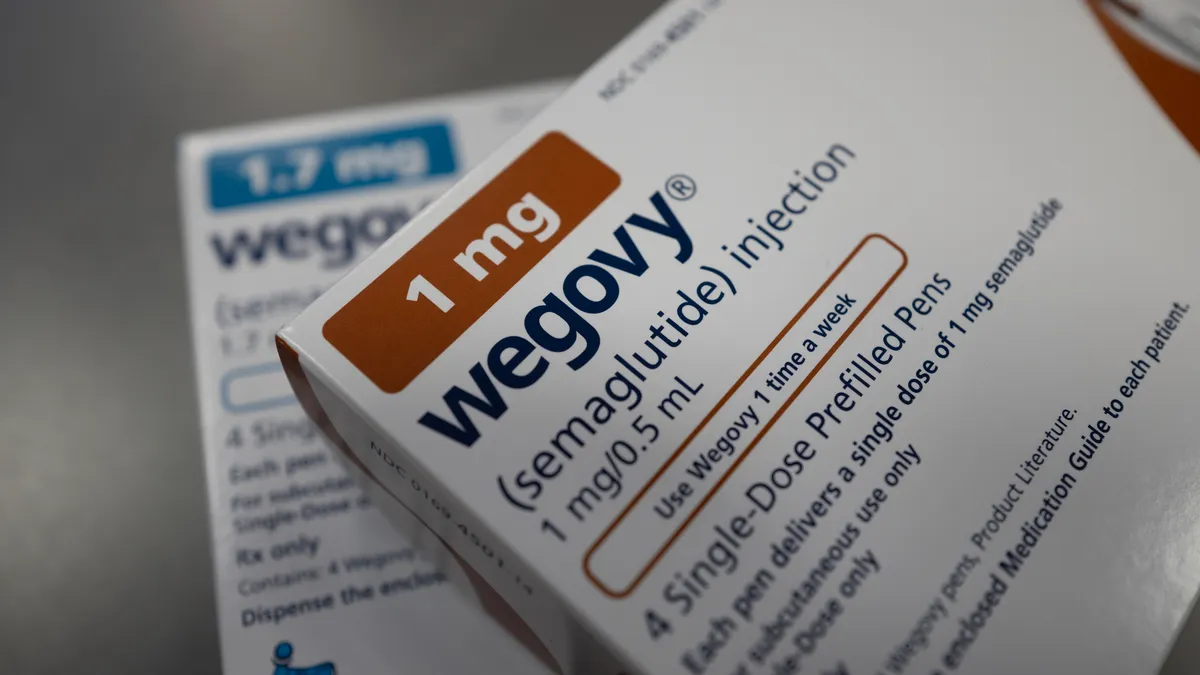
Oral medications, by comparison, offer the kind of convenience others might prefer. Though the approved treatments from Lilly and Novo aren’t as effective as their injectable counterparts, they give people an option that doesn’t involve frequent shots.
The Phase 3 trial results disclosed Tuesday suggested HRS-7535 could emerge as a new and comparable option, though Kailera and partner Hengrui will need to prove the drug’s effectiveness in the sort of longer, global study Foundayo and the Wegovy pill have already completed.
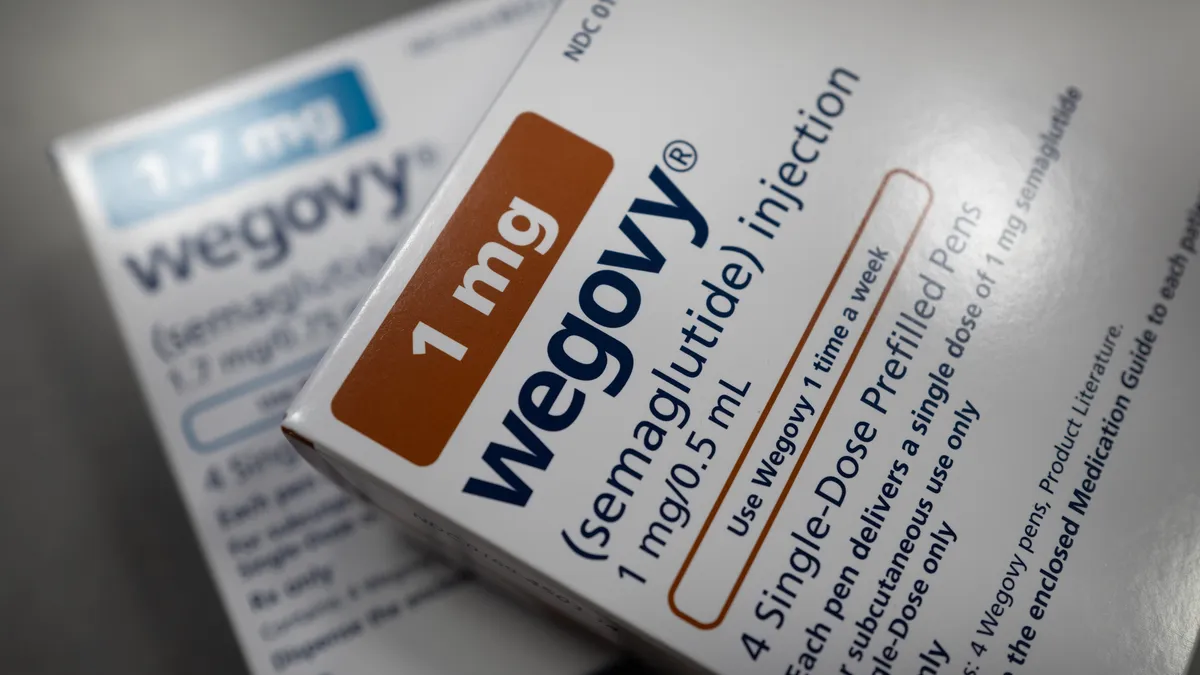
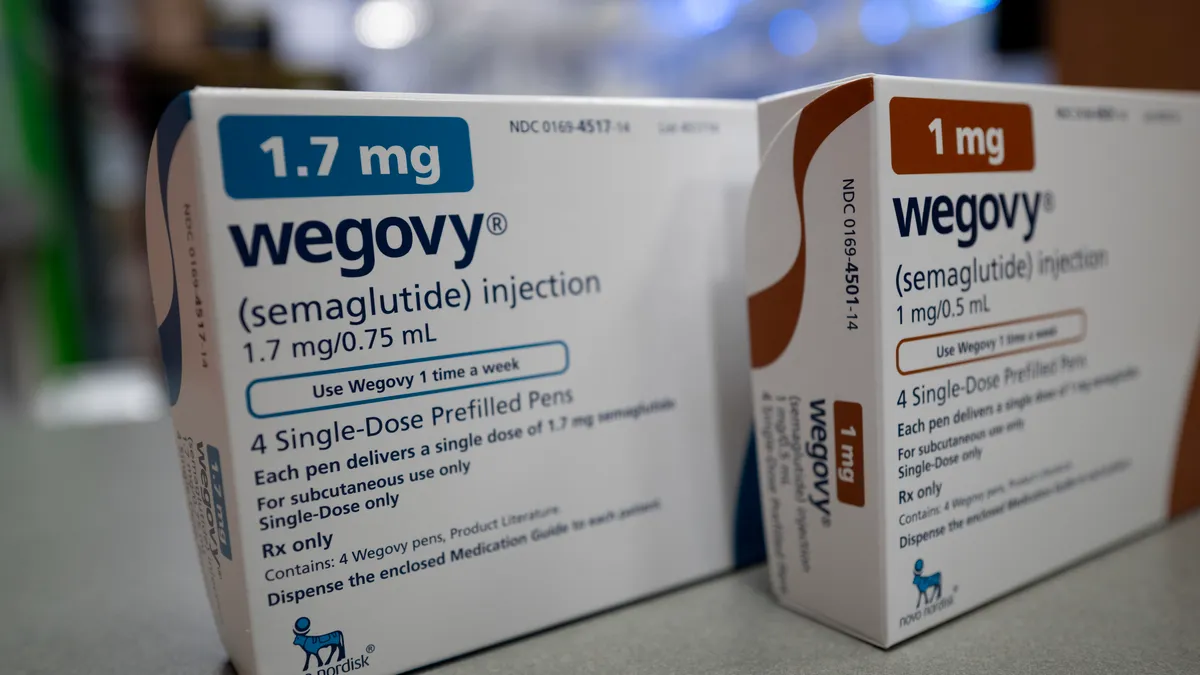
In clinical testing, the Wegovy pill helped people lose around 14% of their body weight after 64 weeks. Foundayo was associated with roughly 11% weight loss after 72 weeks.
While HRS-7535 produced weight loss numbers that were numerically lower by comparison, that’s not necessarily a surprise, as China-based trials tend to enroll people with a lower body-mass index as well as more men, wrote William Blair analyst Andy Hsieh.
Hsieh expressed more concern with HRS-7535’s safety, as testing showed that 70% of recipients had nausea and 67% to 69% reported vomiting, totals that “alarmed” his team. “In our view, reducing the rate of nausea and vomiting to roughly mid-30% and mid-20%, respectively, will yield a competitive profile,” Hsieh wrote. In an ongoing global Phase 2 trial, Kailera is starting with a lower dose and exploring a “nighttime” dosing cohort, he added.
Hsieh did point out, however, that the trial revealed no signs of liver toxicity, a key concern with HRS-7535 because of structural similarities to Pfizer’s now-shelved obesity pill danuglipron.