Lycia Therapeutics, a maker of protein degrading medicines, has banked nearly $318 million in an initial public offering, the latest in a run of more than two dozen drugmaker IPOs in 2026.
Like many other biotechs to go public this year, Lycia surpassed its projections, selling about 3 million more shares than it had anticipated. About two-thirds of the sector’s IPOs in 2026 have exceeded $250 million in proceeds, according to BioPharma Dive data. Shares of Lycia begin trading Friday on the Nasdaq under the ticker symbol “LYCA.”
Lycia was founded in part by Nobel Prize winner Carolyn Bertozzi, a pioneer in so-called “click chemistry,” a way to make new drugs by snapping together disparate molecules. The biotech’s drugs, dubbed “LYTACs,” or lysosomal targeting chimeras, are designed to find harmful proteins outside of a cell and draw them inside to be destroyed. Lycia believes this approach can help it eliminate proteins that are “inadequately addressed” by current treatments, according to a regulatory filing.
Lycia has three drugs in development, led by LCA-0061, an antibody-small molecule conjugate for allergic conditions, and LCA-0321, a “protein-small molecule” for Graves’ disease. Both are in Phase 1 testing, with data expected in 2027. Behind them is LCA-0062, another allergy-targeting drug, which could soon start testing and produce topline data as early as the second half of 2027.
Both LCA-0061 and LCA-0062 go after immunoglobulin E, an antibody that defends the body from infections but can overreact and misidentify certain foods or pollen as a threat. In its IPO filing, Lycia argued that existing IgE-targeting medicines, such as Xolair, block but don’t fully remove the antibody. They have other flaws, too, such as limited utility in “key food allergy populations.”
LCA-0061, by comparison, might more “deeply and durably” wipe out IgE, the company said. Lycia’s follow-up drug, LCA-0062, could be dosed more flexibly than its predecessor.
LCA-0321, on the other hand, degrades thyroid-stimulating hormone receptor autoantibodies that are prevalent in people with Graves’ disease. This strategy is different from existing medications, which primarily manage symptoms. Lycia also believes LCA-0321 could have an advantage over other emerging therapies in development, as it targets a key driver of Graves’ disease without broadly suppressing the immune system.
Lycia’s research drew the interest of Eli Lilly, which paid $35 million up front in a 2021 collaboration focused on pain and other immune diseases. In addition, Lycia has raised $267 million in venture capital since its inception. Versant Ventures is its largest shareholder, owning around 19% of the company prior to the IPO.
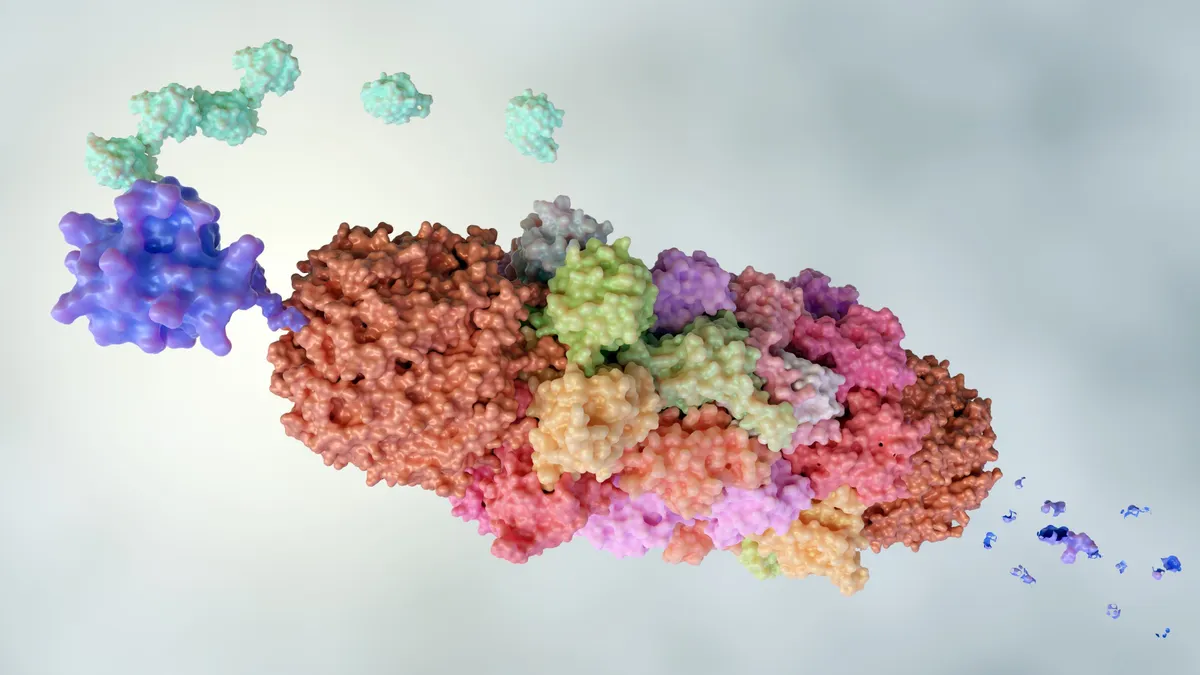
Targeted protein degradation — a form of drugmaking that uses a cellular waste disposal system to trash tough-to-reach targets — has become an increasingly hot area of drug research over the past two decades. Early specialists in the field, among them Arvinas, Kymera Therapeutics and Parabilis Medicines, raised hundreds of millions of dollars in private funding and are now publicly traded.
More recently, newer startups such as EpiBiologics and Vicinitas Therapeutics have launched with plans to take the technology in different directions. And U.S. regulators in May approved the first protein-degrading “PROTAC” medicine, Veppanu, for breast cancer.